Platycerium wandae
Platycerium wandae
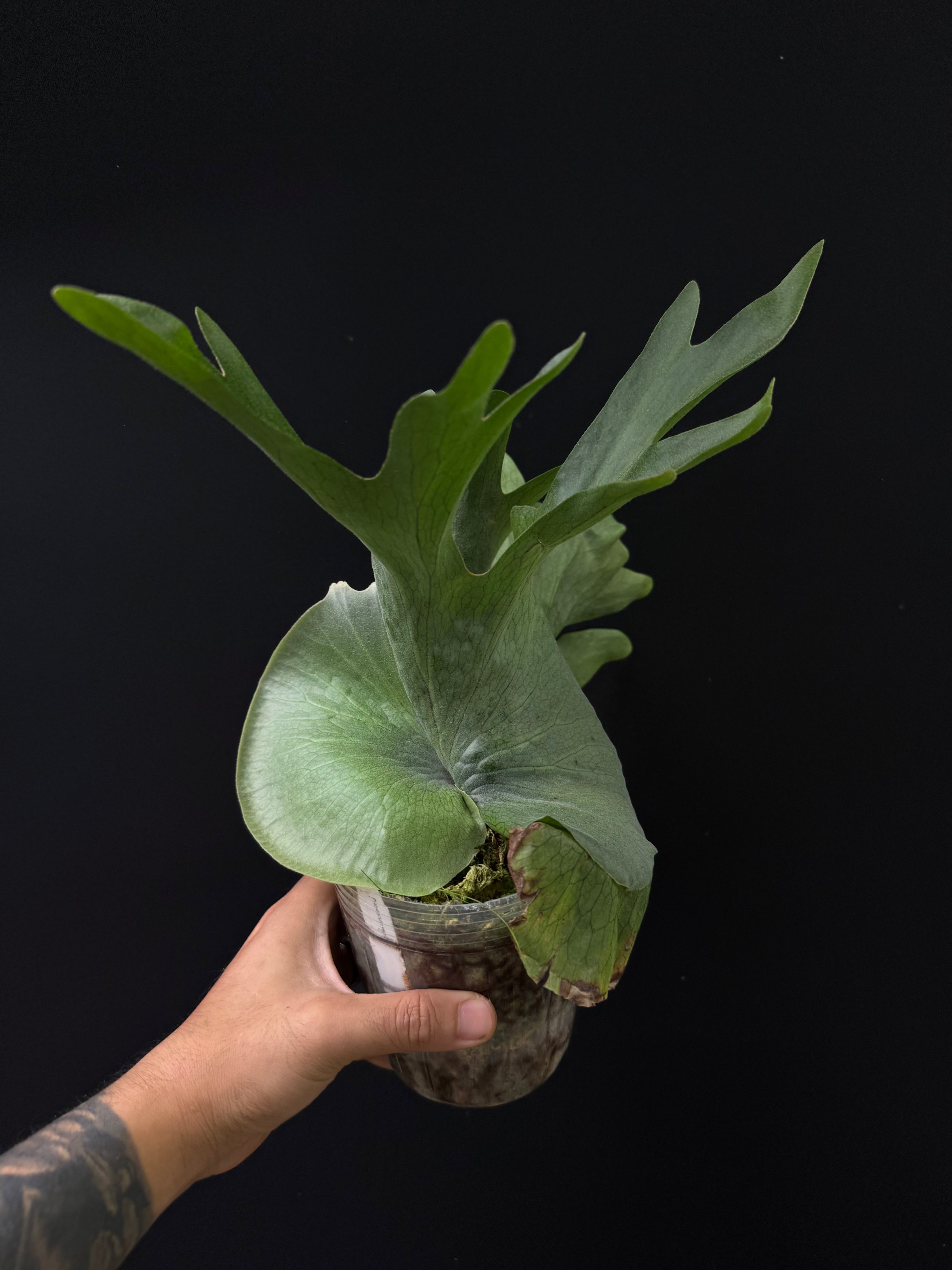
Platycerium wandae is one of the most dramatic species in the genus and is often called the Queen Staghorn Fern. Native to New Guinea, the Bismarck Archipelago, and Maluku, it is a true epiphyte that naturally grows attached to trees in humid tropical forests.
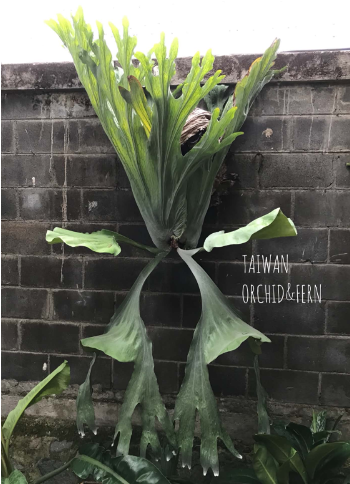
Wandae is known for its enormous mature size, strongly upright shield fronds, and long fertile fronds that create a huge architectural specimen. Given enough time and space, this is a Platycerium that becomes a genuine centerpiece rather than simply another mounted fern.
Shield Fronds
The shield fronds are one of wandae’s defining features. New shields emerge green and gradually mature into broad, tall structures that wrap tightly around the growing area. Mature specimens can develop remarkably large shields with pronounced upright lobes along the top, creating the crown-like appearance associated with the species.
Older shield fronds naturally turn tan to brown and should normally remain attached. They protect the root system and help form the organic pocket where the plant stores moisture and nutrients.
Fertile Fronds
The fertile fronds become large, broad, and deeply divided as the plant matures. They extend outward before hanging downward, giving mature plants considerable width and length.
Established specimens may develop prominent fertile areas underneath the fronds where spores are produced. These brown spore patches are a normal part of a mature fern and should not be removed.
Light
Bright filtered light is ideal. Wandae appreciates stronger light than many traditional houseplants, but intense direct afternoon sun can scorch the fronds.
A location with bright indirect light, filtered greenhouse light, or gentle morning sun works well.
Water
Water thoroughly and then allow the mounting material to begin drying before watering again.
Wandae appreciates consistent moisture while actively growing but should not remain permanently saturated. Larger specimens develop substantial shield structures that can retain moisture for quite some time, so watering frequency should be based on how quickly the root area dries rather than a strict schedule.
Humidity
High humidity is strongly preferred. Around 60–80%+ humidity encourages stronger growth and helps prevent excessive drying of the fertile fronds.
Wandae is particularly well suited to warm greenhouses, grow rooms, and humid tropical growing environments.
Airflow
Good airflow is extremely important, especially when humidity is high. Moving air helps the thick shield and mounting area dry appropriately between waterings and reduces the chance of stagnant moisture around the growing point.
Temperature
Keep warm.
Ideal temperatures are approximately 70–85°F, with warmer conditions generally encouraging active growth. Protect from prolonged temperatures below approximately 60°F.
This is a tropical Platycerium and should not be exposed to frost.
Growing Media
When mounted, use a moisture-retentive but airy material such as long-fiber sphagnum moss.
The goal is to hold enough moisture for the roots without creating a dense, constantly saturated mass.
Growth Habit
Platycerium wandae is a very large-growing species and should be given significantly more room than most Platycerium.
Growth begins relatively manageable, but established specimens can eventually develop massive shields and fertile fronds. Planning for its mature size from the beginning makes mounting and long-term care much easier.
Feeding
Feed lightly during active growth with a diluted balanced fertilizer.
Regular light feeding is preferable to occasional heavy applications. Organic material trapped naturally behind established shield fronds can also contribute nutrients as it breaks down.
Mounting
A strong mount is highly recommended.
Because wandae can become extremely large and heavy, use a substantial board, slab, basket, or other mounting structure capable of supporting the plant long term. Starting with a sturdy mount can prevent the need to disturb the fern later.
Make sure the mount itself is securely attached wherever the plant will be displayed.
Difficulty
Intermediate.
Wandae is not necessarily difficult once its basic requirements are understood, but its preference for warmth, humidity, airflow, careful watering, and especially its eventual size makes it better suited to growers who can provide a stable tropical environment.
Best Display
Excellent as a large mounted specimen in a greenhouse, sunroom, covered tropical patio, or bright indoor growing area.
Allow plenty of vertical and horizontal room so the shield and fertile fronds can develop naturally.
Additional Notes
Platycerium wandae is an accepted botanical species in the Polypodiaceae family. Its native distribution includes New Guinea, Maluku, and the Bismarck Archipelago, where it grows naturally as an epiphyte.
--------
⚠️ Important Shipping Notes
We take great care to ensure your plant arrives safely:
• We ship every Monday and Tuesday to minimize weekend delays.
• We check destination weather on Sunday night and will add free insulation and heat packs when needed for safe delivery.
• If a plant arrives damaged, buyers must provide an unboxing video within one hour of delivery.
(We cannot be responsible for plants left outside, delayed opening, or packages exposed to heat/cold.)
🌟 Perfect For:
• Rare plant collectors
• Fans of architectural foliage
• Terrarium & vivarium setups
• Anyone building a unique indoor jungle